Snapped Car Key: Steps to Get Back on the Road
What to Do When a Car Key Breaks in the Lock
A car key that snaps off in the lock or ignition is a stressful moment. The metal breaks cleanly, leaving half the key sticking out or wedged inside the cylinder. Your first instinct might be to grab pliers and pull, but that can damage the lock further. The right approach depends on how much key remains accessible and whether the break is in the door lock or the ignition. This article walks through the practical steps to handle the situation and get a replacement sorted without making things worse.
Stay Calm and Assess the Situation
Take a breath before you do anything. Look at what part of the key is visible. If a few millimetres of the blade stick out, you have options. If the key broke flush with the lock face, you will need a different method. Also note where the break happened. A snapped key in the ignition switch is more urgent than one in the door lock because you cannot start the car. In either case, the goal is to remove the broken piece without damaging the lock cylinder, then get a new key made before you are stranded.
Try to Extract the Broken Piece Safely
For a key that broke near the tip, you may be able to push the ignition or lock cylinder to release it. Some cylinders have a small release button or slot that lets you slide the broken blade out. Check your owner's manual or look for a tiny hole on the side of the lock assembly. If you see one, a thin wire or paperclip inserted gently can sometimes push the key out from behind.
If the broken end is proud of the lock, use fine-tipped tweezers or needle-nose pliers to grip the exposed metal. Pull straight out, not at an angle, to avoid bending the lock pins. Do not twist or wiggle the key as you pull; that can jam the lock permanently. If the key does not move, stop. Forcing it can break the extractor tool or push the key deeper into the mechanism.
When the Key Is Flush with the Lock
If no metal sticks out, you will need a key extractor kit. These small tools have hooked ends that slide past the key and catch the broken edge. You insert the extractor alongside the key, rotate it to hook the blade, and then pull both the tool and the key out together. Extractors are inexpensive and available at hardware stores or online. Watch a short video on the technique before you try it; the motion is simple but precise. If you are not comfortable doing it yourself, a mobile locksmith can handle extraction on site.
Once the broken piece is out, inspect the lock cylinder for any debris or burrs. A small metal file or a blast of compressed air can clean the lock before you insert a new key. Do not use oil or grease; it can attract dirt and gum up the pins over time.
What to Do If the Key Breaks in the Ignition
An ignition switch is more delicate than a door lock. If the key snaps in the ignition and you cannot extract it yourself, do not turn the cylinder with pliers or a screwdriver. That can damage the switch mechanism and require a full ignition replacement, which is costly and time-consuming. Call a locksmith who specialises in automotive work. They have tools to remove broken keys from ignition cylinders without dismantling the steering column. In many cases, they can extract the piece and cut a new key on the spot using the key code or the remaining blade.
If the ignition is electronic and the key has a transponder or remote chip, the extraction is still mechanical, but the replacement key must be programmed to match the vehicle. A mobile locksmith who carries programming equipment can handle that at your location.
Getting a Replacement Key
Once the broken piece is out, you need a new key that works with your car. The simplest route is to use a spare key if you have one. If not, you will need a locksmith to cut a new key for a damaged one. The locksmith can use the key code stamped on the original key or on the lock cylinder to cut a blade that matches the mechanical bitting. For keys with electronic chips, the locksmith will also need to program the transponder or remote function to communicate with the car's computer.
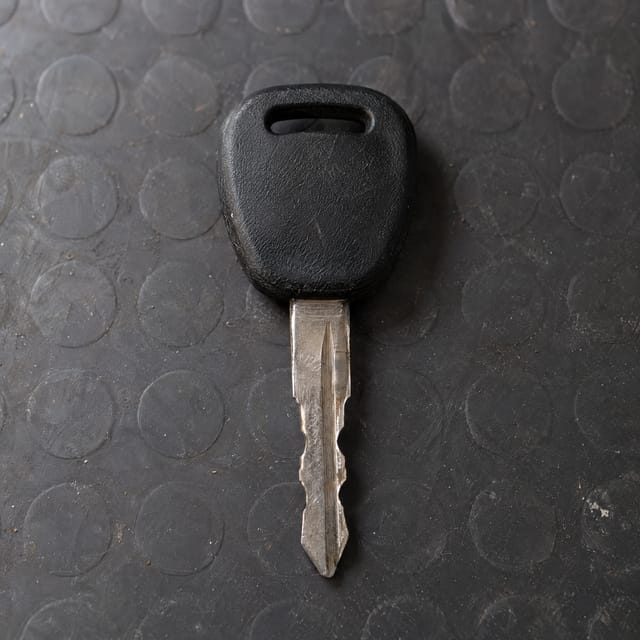
When you call a locksmith, have your vehicle identification number (VIN) and proof of ownership ready. The VIN helps the locksmith look up the correct key blank and programming protocol. Many locksmiths can cut a new key for a damaged one without the original, as long as they can access the lock cylinder and read the pin configuration. This works for both door keys and ignition keys, though ignition keys often require disassembling part of the steering column to reach the cylinder.
Preventing a Repeat Break
A key usually snaps because of wear, a weak point in the metal, or a lock that is sticking. Once you have a working replacement, take steps to avoid another break. Lubricate the lock cylinder with a graphite powder or a dry lubricant designed for locks. Wet lubricants like WD-40 can attract dust and cause the pins to stick over time, which puts extra stress on the key. Also, check the key itself for signs of bending or cracking. Modern keys with flip mechanisms or bulky key shells can put torque on the blade when you turn them. If your key feels tight in the lock, the issue may be the lock, not the key.
Consider having a spare key made from the replacement. Keep it somewhere safe, not in the car. If the spare is a basic metal key without electronics, it can still open the door and, on many older cars, start the engine. For newer vehicles with transponder or smart key fobs, the spare will need programming. A locksmith can clone the chip data from your working key so the spare functions as a backup.
When to Call a Professional
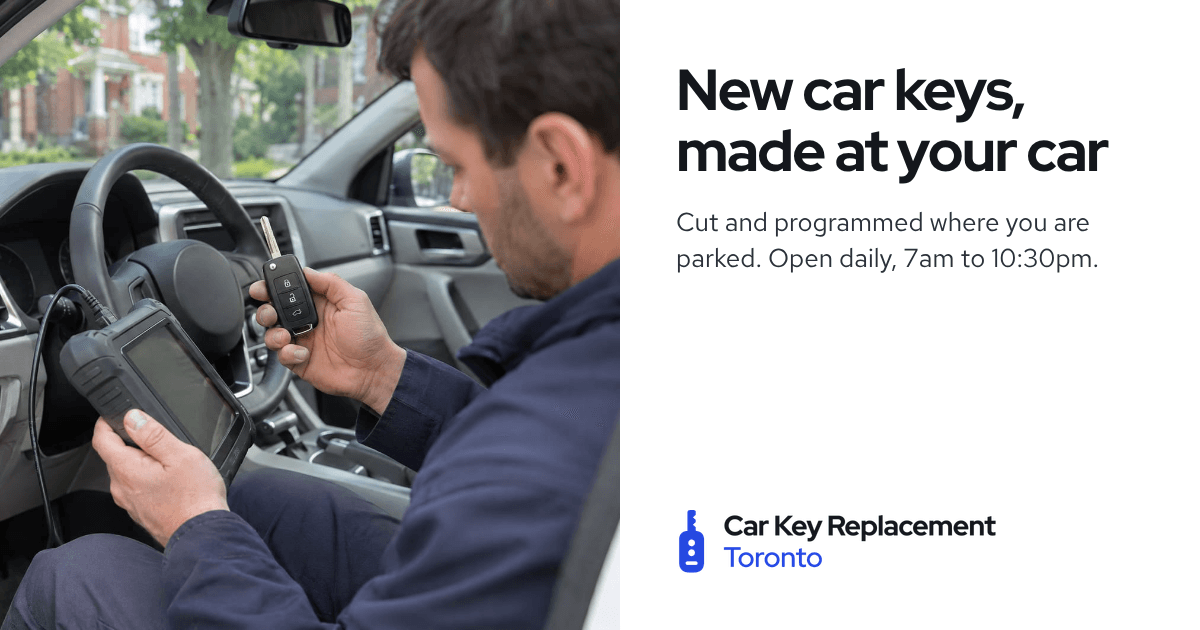
Some situations call for expert help. If the key broke deep inside the lock and you cannot extract it, if the lock cylinder is damaged, or if the car uses an electronic key that requires programming, a locksmith is the safest option. Attempting to remove the key yourself in these cases can turn a simple extraction into a full lock replacement. A mobile locksmith can come to your location, extract the broken piece, and cut and program a new key at the vehicle. This saves the hassle of towing the car to a shop.
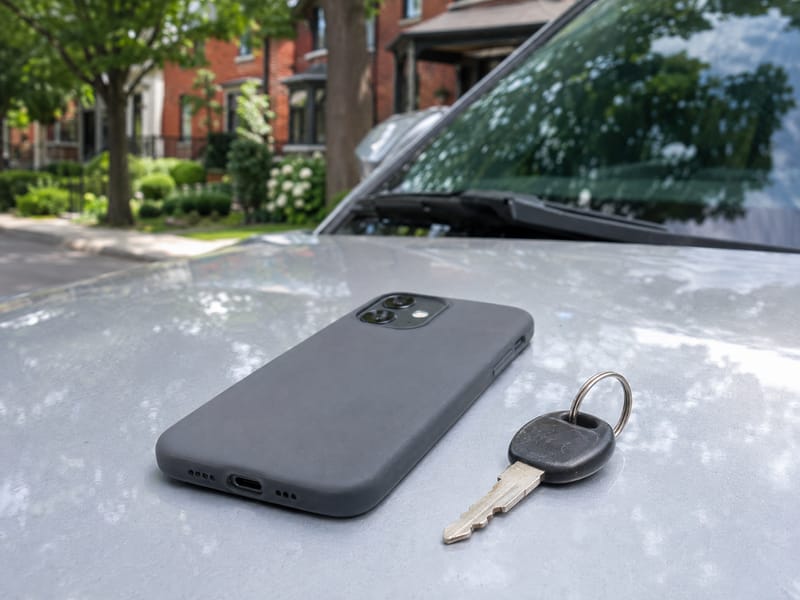
Look for a locksmith who advertises automotive key replacement services. They should carry key blanks for various makes and models, as well as programming tools for transponder keys, remote keys, and smart key fobs. Ask if they can cut a new key for a damaged one on site. Many can, as long as they have the correct blank and can read the mechanical code from the lock cylinder or the original key fragment.
Final Thoughts
A broken car key is inconvenient, but it does not have to ruin your day. The key is to stay calm, assess how much key is visible, and try a gentle extraction if you have the right tools. If the break is in the ignition or if the key is electronic, call a professional. Once the broken piece is out, getting a replacement key is straightforward. A locksmith can cut a new key for a damaged one, program it if needed, and have you back on the road quickly. With a spare key and a well-maintained lock, you can reduce the chance of it happening again.